In our Cultivate blog post, “10 Reasons to Redesign Your Website,” we discussed the tell-tale signs that your website is due for a makeover and what actions to take once you have noticed them. If you’re a marketing leader preparing for a website redesign, whether with an internal team or a website redesign agency, you already know the stakes are high. Your website isn’t just a digital brochure. It’s the front door to your brand and a key growth engine. It is also one of the most visible expressions of your organization’s value.
And yet, behind the scenes, redesigns can be more chaotic than you expect. Stakeholders disagree on goals. Content lags. Timelines slip. SEO warnings pop up. Design rounds multiply. And eventually someone says what everyone is thinking:
“This shouldn’t be this hard.”
The good news? It doesn’t have to be.
After working with dozens of clients on website redesigns, we’ve seen a common pattern. Planning is often an afterthought, even though it’s what determines whether a project runs smoothly or spirals. A redesign doesn’t begin with wireframes or a homepage concept. It begins with alignment, clarity, and strategy.
This guide breaks that process down step-by-step so you can lead your redesign with confidence, calm, and a plan that actually works.
How to Plan for a Website Redesign – 10 Steps
- Start With the Business
- Understand the Website You Have Before You Rebuild It
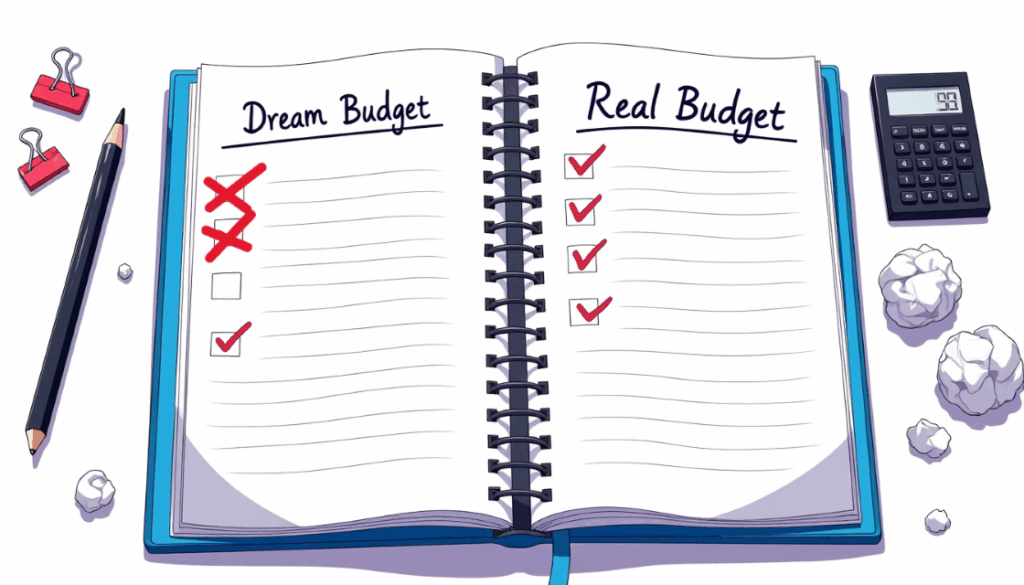
- Budget for the Project You Actually Need — Not the One You Hope For
- Build the Internal Team That Will Make or Break Your Redesign
- Engage Key Stakeholders and Secure Their Support for Your Website Redesign
- Create a Detailed Website Redesign Project Timeline
- Treat SEO as a Strategic Pillar
- Consider How Your Brand Will Be Reflected in the Website Redesign
- Choose a Partner Who Can Guide You
- Plan for What Happens After Launch

STEP 1: Start With the Business
It’s tempting to begin a redesign by jumping into design inspiration, layouts, or messaging. But high-performing redesigns start somewhere more fundamental: with business objectives.
Before any creative work begins, ask:
- What business outcomes does the site need to support?
- Where does the current site fall short?
- How should the website improve the customer journey?
- Which KPIs will define redesign success?
If you’re not sure where to start, here are some common, strategic website goals that marketing leaders set during redesign planning:
- Increase qualified leads (form fills, demo requests, newsletter signups)
- Improve content discoverability and engagement
- Strengthen brand positioning and credibility
- Reduce friction in key user pathways (e.g., booking, donations, registration, purchase)
- Improve site performance and Core Web Vitals
- Modernize visual design and align with updated branding
- Enhance accessibility and meet WCAG 2.2 compliance
- Provide a stronger foundation for SEO and organic traffic growth
- Support new offerings, programs, or products
- Improve editor experience and reduce content maintenance time
You don’t need all of these — but identifying the top three to five gives your redesign process direction and prevents misalignment later.
STEP 2: Understand the Website You Have Before You Rebuild It
A redesign isn’t about making things “look better.” It’s about understanding what’s working, what’s not, and why.
That means auditing:
- User behavior and drop-off points
- Content clarity and structure
- SEO strengths worth protecting
- Accessibility gaps
- Performance bottlenecks
- Analytics insights you can’t afford to ignore
Content readiness, in particular, is one of the most overlooked drivers of redesign success or failure. If you want a deeper look at this topic, we break it down here: Content Readiness: Setting the Stage for a Successful Website Redesign
STEP 3: Budget for the Project You Actually Need — Not the One You Hope For
Before you bring in a website designer/developer (see Step 9) to discuss the particulars of your website redesign, you should have a clear picture of what you are comfortable investing.
Website redesigns rarely go off track because teams overspend. They go off track because teams underestimate what’s required to do the job well.
A realistic budget includes:
- Discovery + Alignment
- UX + Information Architecture
- Visual Design + Components
- Writing + Content migration
- Development + Integrations
- SEO + Redirects
- Accessibility Improvements
- QA + Launch Support
- Post-launch + Maintenance
Content, especially, takes longer and costs more than teams expect. Set your budget based on the project you’re actually taking on.
When beginning a conversation with a web design and development agency, knowing what you can afford to spend helps your agency partner better craft a project proposal that meets your business objectives without harming your bottom line.
STEP 4: Build the Internal Team That Will Make or Break Your Redesign
Your website redesign project will need an internal team to oversee it, so identify and recruit those players early on.
Set up a solid internal crew that includes:
- A marketing owner
- A technical/IT partner
- Brand + design stakeholders
- Key content contributors
- A final decision-maker
Clarity on roles prevents delays and reduces friction. Once your project team is in place, set clear ground rules. Define responsibilities, assign tasks, and agree on how decisions will be made. That way, your team can focus on the redesign instead of internal politics.
Make sure everyone understands the time commitment upfront. That includes meetings, reviews, content creation, and migration if it’s done internally. Plus, all the smaller tasks that come with planning and executing a redesign.
Pro Tip: Confirm your executive leadership understands the time commitment and that department heads support their direct reports’ participation.
STEP 5: Engage Key Stakeholders and Secure Their Support for Your Website Redesign
A website represents brand, function, credibility, and identity — so naturally, leadership has strong opinions about it. Late-breaking leadership feedback is one of the top causes of redesign delays.
Your CEO and executive team may not be directly involved in the website redesign, it’s still smart to get their input and support early. They can offer feedback on their own experiences with your website. Incorporating their thoughts and wishes into your redesign plan strengthens your case, especially if you have to present to the finance team or board of directors for budget approval.
Prevent bottlenecks down the road with a 45–60 minute internal alignment meeting early in the process. Use these five questions to guide it:
- What business outcomes should this redesign support?
- What does success look like 90 days after launch?
- Which parts of the current site absolutely cannot break or disappear?
- What does our site communicate today, and what should it communicate?
- Are there any concerns or constraints we should address early?
This one conversation saves weeks of redesign churn by setting expectations upfront.
Pro Tip: Once you have started your website redesign project, schedule regular check-ins with all stakeholders and loop them into project communications and progress reports. Give this special audience nothing to wonder about, and they will find little to worry about, which means you can go about the business of remaking your website without second-guessing.

STEP 6: Create a Detailed Website Redesign Project Timeline
A practical website redesign timeline is usually 4–6 months, depending on scope, content readiness, and the complexity of your existing site. But timelines don’t slip because design or development “took too long” — they slip because the foundations weren’t aligned early enough.
Design slows down when:
- Analytics and user insights weren’t gathered upfront
- SEO priorities are unclear
- Brand guidelines are still evolving
- Content isn’t ready or assigned
- Leadership or team alignment is missing
Design depends on clarity. Without it, revisions multiply and momentum stalls.
When building your timeline, start by identifying any fixed milestones your redesign must support. For example, does your relaunch need to align with a rebrand, product launch, annual campaign, conference, or seasonal cycle? If so, set your required launch date first, then work backward to determine your project start date.
If your timeline depends instead on internal pacing (such as budget approval, staffing, or funding availability), identify the earliest realistic start date and build forward from there.
And finally: be honest about the time your team will need for reviewing UX work, providing feedback on designs, and producing or loading content. Adding a buffer is not a luxury; it’s what keeps your project predictable. Sharing your constraints and milestones early with your website redesign agency helps them build a realistic project plan that protects both deadlines and quality
A strong timeline acknowledges these realities upfront so the entire redesign progresses smoothly, stage by stage, without unnecessary rework.
STEP 7: Treat SEO as a Strategic Pillar
Search performance plays a critical role in how audiences find and engage with your content, and a redesign is one of the easiest moments to strengthen (or accidentally disrupt) it.
Any website redesign should be viewed through an SEO lens from the start, ensuring that new navigation, layouts, and content structures support, rather than harm, your existing search visibility. This includes protecting high-value URLs, improving page structure, and ensuring your updated site architecture reflects real user intent.
Recent shifts in Google’s search experience, including the increased use of AI-generated results, mean rankings will change. If your team doesn’t have deep in-house SEO expertise, involving a specialist early in the redesign process can help you audit risks. You’ll also be able to identify opportunities to improve performance. If you’re working with a full‑service website redesign agency, make sure they bring SEO expertise to the table.
SEO and AEO both rely on clear, original content. If your redesign includes new pages, expanded sections, or refreshed messaging, be sure to write your content with clarity, depth, and topical authority. This supports organic visibility and strengthens every channel that relies on your website as a conversion point.
STEP 8: Consider How Your Brand Will Be Reflected in the Website Redesign
Your website is often the most visible expression of your brand, and one of the first places where inconsistencies become obvious. Before you begin design, make sure your brand foundations are clear and stable.
This includes:
- What visual elements are fixed (logo, color palette, typography)
- What can evolve as part of the redesign
- Your messaging hierarchy and how it supports your value proposition
- The tone and emotional expression your digital presence should convey
Complete that work before kicking off your redesign. Trying to update your website while your brand is still shifting leads to unnecessary rework, unclear creative direction, and timeline drain. The more clarity you bring, the more cohesive your final experience will feel.

STEP 9: Choose a Website Redesign Agency Who Can Guide You
A website redesign touches strategy, content, UX, development, and organizational alignment. That means your agency choice matters for more than just how the site looks. You’re not simply looking for a team that can “build a site.” You’re looking for a partner who can help you move forward with confidence.
When evaluating partners, look for strength in:
- User experience and content strategy
- Accessibility and performance
- Design system thinking
- Technical depth and CMS fluency
- Clear, proactive communication
- The ability to ask the right questions, not just provide fast answers
A great partner helps teams avoid rework, prevent common pitfalls, and make informed decisions at the right moments. The best fit agency partner will feel collaborative.
Culture Foundry offers Wayfinding Workshops. These focused strategy sessions bring together your organization’s key decision-makers to discuss your digital strategy and how to optimize your website to support it.
Wayfinding Workshops are designed to meet your team where they are. We offer in-person, virtual, and hybrid options to support participation.
STEP 10: Plan for What Happens After Launch
A redesigned website isn’t a finished project; it’s the start of its next chapter. Websites are never truly “done,” and part of your redesign planning should include the resources you’ll need after launch.
Most content management systems like Drupal or WordPress require ongoing updates and monitoring to stay secure, stable, and high-performing. This post-launch work typically includes:
- CMS + plugin updates to maintain security and functionality
- Accessibility and performance checks to keep your site compliant and fast
- Hosting or infrastructure adjustments if your needs change
- Monitoring + issue response, especially for mission-critical sites
- SEO tuning to build on the foundation established during the redesign
- Content updates and new page creation based on audience needs
Make sure ongoing support is accounted for in your website redesign plan and budget. This prevents gaps or delays once the site goes live. It also keeps your support consistent.
Culture Foundry offers a range of hosting and maintenance support options, including 24/7 monitoring and guaranteed response times. We can assess your support needs and recommend a plan that fits your organization’s level of technical resources and the complexity of your site.
A successful launch is only the beginning. With a continuous improvement mindset, your site should never go stale. Small, consistent optimizations informed by data, user feedback, and evolving business priorities keep your website aligned with what your audience needs and how your organization grows. Teams that treat their website as a living product, not a static deliverable, see stronger performance, higher engagement, and far greater long-term ROI.
A strong website redesign gives you a foundation. Continuous improvement ensures that the foundation keeps delivering value.
Your Next Website Begins With Clarity
A website redesign can be a daunting task. But it’s also a chance to get creative and enjoy building something better.
It starts with getting clear on what success really looks like, for your business and your users. When those goals are aligned from the start, everything gets easier. Your redesign runs more smoothly, delivers stronger results, and earns buy-in across your team. All without sacrificing form or function.
Ready to take the next step?
As a website redesign agency and digital strategy partner, our crew can help you with your plan, from start to finish. Complete the form below to start a conversation! You’ll be glad you did.