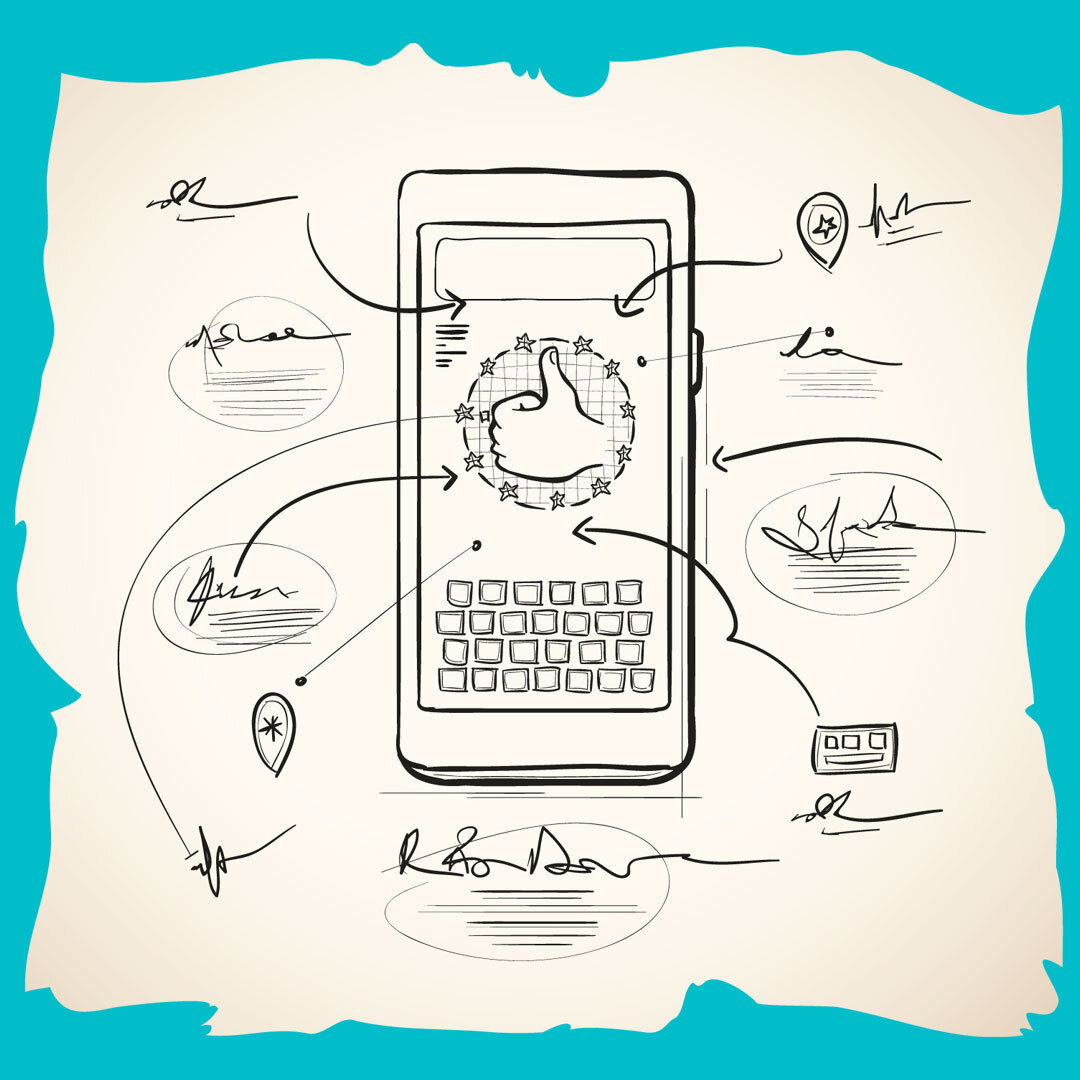

A strategic guide to mobile user experience for marketing, mission, and engagement leaders
Your mobile experience is your brand’s first impression, and your biggest opportunity.
Imagine someone lands on your site from a mobile search, ad, or social post. They’re curious, maybe even ready to donate, enroll, purchase, or schedule a demo. But your mobile user experience is clunky, slow, or confusing.
You don’t just lose a conversion, you lose credibility.
Despite mobile dominating digital traffic, 81% of mobile e-commerce sites still deliver poor or mediocre user experiences according to the Baymard Institute, 2025 Benchmark. Whether you’re in education, commerce, healthcare, tech, or impact work, visitors expect a seamless mobile user experience. In 2025, anything less is a liability.
In this article, we’ll show how to turn mobile user experience from your weakest link into your biggest digital advantage.
Is clunky mobile user experience costing you conversions?
Many mobile sites are still desktop experiences forced to fit a small screen. Yes, they may be responsive, and menus collapse, but navigation remains unclear. If your forms shrink but become harder to complete, load times get longer, and the tap targets are too small or hard to reach, even motivated users will abandon their journey.
Today’s users expect clarity, speed, and relevance, especially during mobile experiences. If your site doesn’t deliver, they bounce.
Here are the mobile user experience trends that matter most in 2025
- Personalization with purpose
Mobile users expect tailored experiences. With AI and behavioral analytics, even modest teams can now adapt messaging, CTAs, content, and offers in real time.
Personalization isn’t about being flashy; it’s about relevance. For one visitor, that means recommending the next product to buy; for another, it means surfacing nearby events or adjusting navigation based on interest.
80% of consumers are more likely to engage with personalized experiences according to Epsilon Research.
- Accessibility as a growth lever
Inclusive design isn’t just ethical, it’s strategic. Accessible mobile user experience improves usability for everyone. Use tools like WAVE and axe DevTools to evaluate your content for screen reader compatibility, text scalability, and proper color contrast.
Whether someone is donating, applying, or shopping, accessibility reduces friction and boosts reach.
- Fast, frictionless interactions
Users want fast-loading pages, clear visual hierarchies, and minimal effort to complete tasks. Simplify navigation, limit taps, use progress indicators, offer autofill, one-tap payment methods, and short forms.
Sites with clear, consistent interactions reduce abandonment and build trust across all sectors.
- Emotionally smart microinteractions
Subtle animations, visual feedback, and success messages guide users and reinforce trust. Confirmations like “Thanks, your application is submitted!” or “Your donation is already making a difference” humanize digital journeys.
In commerce, education, and mission-driven work alike, microinteractions create a sense of responsiveness and delight.
- Voice and gesture interfaces
With voice search now powering over 25% of mobile queries and gesture-based user interfaces becoming native to smartphones, brands should explore integrating these patterns where it supports usability, like search, FAQs, or basic actions.
Even simple implementations show forward-thinking user experience and support accessibility.
- Dark mode and battery optimization
Dark mode isn’t just a trend. It can reduce eye strain and increase engagement, especially in education or content-heavy use cases. It also conserves battery, a small but appreciated bonus for mobile users on the go.
Knowing your audience is the real UX superpower
Mobile success hinges on empathy. Who is your user? What are they trying to do on their phone, not just what you want them to do?
Whether your site serves professionals, students, shoppers, patients, or donors, spend time understanding their motivations and constraints.
Tools to test and improve mobile user experience
- Hotjar / Microsoft Clarity: Visual heatmaps + session recordings
- UserTesting / Maze: Real-world task testing with target users
- Google Optimize: A/B test layouts, headlines, or CTAs
- UXCam: Mobile app-specific interaction insights
👉 Pro Tip: Run 3-5 task-based tests with users trying to complete real actions (e.g., enroll, donate, check out). Then fix the friction. Test and test again.
Who’s doing It right
Creates a clear and emotionally resonant donation experience on mobile, with focused messaging, streamlined giving options, and visuals that reinforce mission impact.
Their admissions microsite is optimized for prospective students on mobile, with clean navigation, tap-friendly actions, and dynamic content blocks tailored to different academic interests and enrollment stages.
Builds emotional resonance with a clear, visual donation flow that feels high trust and low effort.
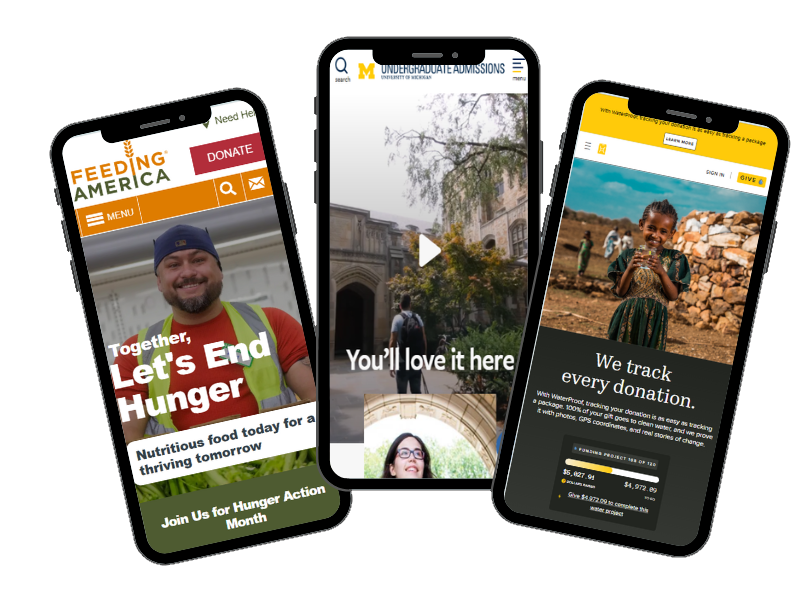
Small fixes. Big wins
Audit your mobile user experience today. Use real users, not just internal teams. Identify where they hesitate, struggle, or just give up.
Then:
- Sharpen what users see first
- Simplify one form
- Personalize one message
And remember, progress over perfection. Make your mobile user experience effortless, accessible, and aligned with user goals, no matter the mission.
Your audience is on their phone.
Make sure you meet them there, beautifully.
It’s never too late to take action and make your mobile user experience exceptional!
If your website isn’t actively contributing to business growth, it may need more than a cosmetic refresh. It might need structural enhancements.
Culture Foundry partners with marketing leaders to modernize websites, streamline user experiences, and drive measurable growth through thoughtful digital design.
Schedule a 20-minute UX consultation with us. Let’s evaluate your website’s performance and uncover opportunities for meaningful improvement together!