
I’m a grappa fan and, after trying Nardini Mandorla at a restaurant a couple years ago, decided that a steady supply would be a must. (I didn’t realize this decision would eventually illustrate how unsupported websites lose sales at the worst possible moment.) I bought three bottles from a “spirits by mail” website, and would login every few months to their Shopify-infused e-commerce experience to click “buy again” and restock.
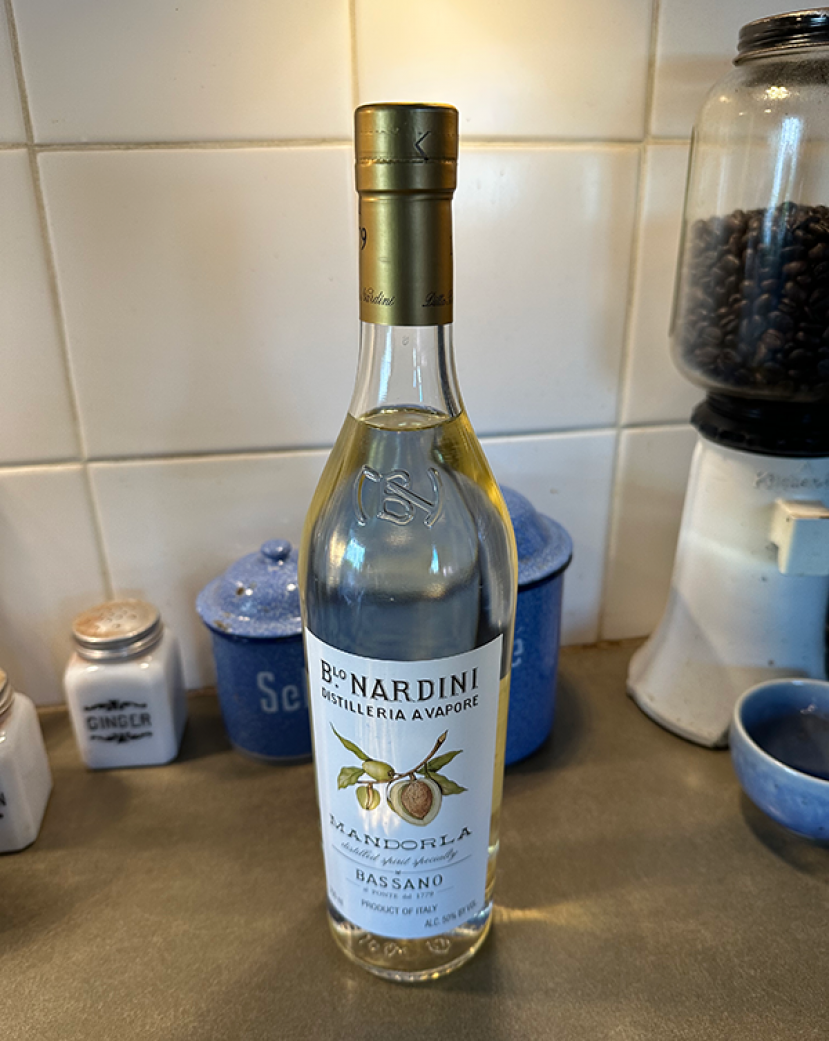
Easy-peasy, and exactly the kind of recurring existing-customer relationship a spirits by mail website would want.
That is, until my most recent visit during the holidays. The cart was awry: Prices flickered with different amounts. The default “breakage insurance” wasn’t removable like it should be. My holiday time budget to troubleshoot this bad, twitchy tech was like 5 seconds, tops. So off to Google I went, a textbook example of how unsupported websites lose sales during peak buying season.
Record-scratch Lesson #1: Unsupported Websites Lose Sales
This site didn’t suffer from a build issue (it had worked well for several transactions prior); it suffered from a support issue. The cart was fritzing out on the busiest shopping week of the year, and I suspect the operator had no idea.
Website support – the allocation of resources to ongoing maintenance, monitoring and hosting – is the less-glamourous cousin of website builds (i.e. designing and developing a new website from scratch), but I would argue from a business perspective that support is the more essential of the two. It’s the base you absolutely must cover first, because unsupported websites lose sales long before anyone realizes something’s broken.
Setting up structured website support means if there’s a problem, your support team finds out about it before your customers do, and ideally has the issue fixed before it reaches any customers at all.
That this incident happened on a holiday week is a key detail: Effective website support is a 24/7 commitment, because website problems don’t take nights, weekends and holidays off.
The New Path to a New Sale
So off to Google I went and there I ran straight into the rapidly changing world of how new sales are forged online through AI search, and how unsupported websites lose sales to better-supported competitors in just a few clicks.
My Google search for Nardini Mandorla served up a surge of paid links that:
- I didn’t really trust
- Were basically indistinguishable from each other
- Crowded out the organic search results
- Suggested that the most efficient way to get this product to me in Seattle would be to ship it from three time zones away
Ugh. So I decided to search local. Google got first crack at this with its legacy results, but returned another sea of crap.
Modern AI search was clearly going to do a better job. So I turned to ChatGPT.
Why? I had a really simple problem and ChatGPT’s AI excels at giving you one or two organic solutions to really simple problems, rather than 100 sponsored “solutions” you have to wade through.
Boom. Local provider, capable website, local direct delivery within ONE HOUR for the same price. Hat tip to Esquin Wine & Spirits of Seattle WA. They didn’t just get this sale. They got all the recurring ones for the foreseeable future.
Record-scratch Lesson #2: AI Is Eating Traditional SEO’s Lunch
The ongoing decline in the legacy Google search experience has been widely noted but WOW. Nearly every time I visit I’m freshly reminded how big a mess it’s become.
AI search is filling the gap and in 2026 it’s a smart bet to double down on assessing and improving how you show up in the leading providers such as ChatGPT, Claude, Perplexity, and (see Google knows this too) Gemini.
AI search is also making inroads in internal site search, which at Culture Foundry we covered here: How AI Is Transforming Website Search Capabilities.
The industry is still sorting out whether to call this emerging field “AIO (AI Optimization)”, “GEO (Generative Engine Optimization)” or “AEO (Answer Engine Optimization).” I suggest whoever wins the prize for coining the new acronym should treat themselves to a NGOG (nice glass of grappa).
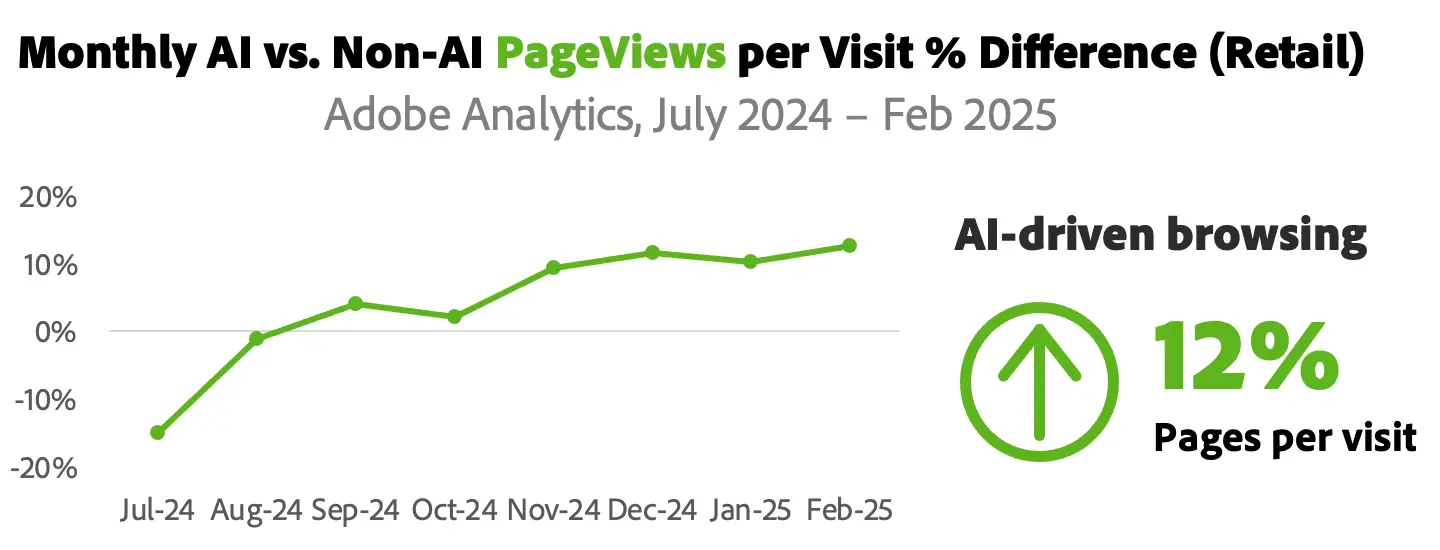
Is this anecdotal evidence supported by industry studies and data? You bet: Adobe Analytics: Traffic to U.S. retail websites from Generative AI sources jumps 1,200 percent
Bottom Line: Unsupported Websites Lose Sales. AI-Optimized Experiences Can Help You Win Them Back.
Put those insights together and you have a real opportunity: strengthen support first, then show up brilliantly in AI search where disappointed customers go next.
But start with support. Don’t splash out on a new AI search engine optimization strategy until you are sure – absolutely sure – that those new customers are going to roll into an experience that delights them, not fails them, at a crucial moment.
With that foundation, you’ll be in great position to take advantage of the changing SEO / AI landscape to pick up customers that other competitors leave behind, and ensure they stay with you for a good long while.