
If you’ve been living under a rock (or maybe hiding from your inbox 👻), you may not have heard: generative AI can automate repetitive tasks and supercharge productivity. When used as a tool, like a pencil or a paintbrush, it’s a good thing. But shiny new tech rarely gets used wisely, at least at first.
In the rush to “embrace the future,” some marketers have tried to automate away the very things that make communication human: creativity, connection, and emotional intelligence.
In honor of spooky season, we asked AI to help us build a list of marketing’s most chilling cautionary tales, when enthusiasm turned to terror and good intentions met bad execution. Thankfully, there are also some heroes showing us how to keep the monsters at bay.
1. The Curse of the Funhouse Mirror (AI Mistake: Distorted Reality)
In 2025, several fashion and consumer brands (including J.Crew, Shein, and Skechers) made headlines for publishing AI-generated images to demonstrate their products, and in some cases even mimic them. Instead of “cutting-edge,” the result felt careless and fake.
💀 The real issue? Companies rushed to publish without asking if their AI creations truly reflected their brand.

The Takeaway: Always keep a human in the loop. Sloppy AI visuals don’t just look bad, they signal disrespect for your audience’s intelligence. If you’re asking for attention, show that you care enough to get the details right.
Hidden Hero: Zalando, a European fashion retailer, uses AI in its imagery pipeline too, but differently. They create digital “twins” of real models so shoppers can view products from every angle. Humans still guide the look, feel, and brand story, AI just speeds up production.
💡 Why it works: They’re not replacing artistry; they’re automating drudgery.
2. The Soulless Specter (AI Mistake: Emotional Tone Failures)
With enough training, AI can mimic style, but it still struggles with soul. Coca-Cola found this out in 2024 when it used AI to recreate a beloved 1995 holiday ad. The internet slammed it for feeling “soulless” and missing the warmth that made the original iconic.
Meanwhile, Google Gemini released a touching Olympic spot written by AI, a father’s letter to his daughter, Sydney McLaughlin-Levrone, but it, too, fell flat. The message was moving in concept but oddly hollow in delivery.

💀 The real issue? Marketing is both art and psychology. When you automate empathy, you lose resonance.
The Takeaway: AI can polish execution, but the heart of storytelling must remain human. A message that feels machine-made will never move people the way authenticity does.
Hidden Hero: The Original Tamale Company, a small family-owned restaurant near L.A., used ChatGPT to help script their social video, but kept every other part human. Real food, real people, real humor. It went viral with over 22 million views.
💡 Why it works: AI helped amplify creativity, not replace it.
3. A Phantom Promise (AI Mistake: Overpromising & Deception)
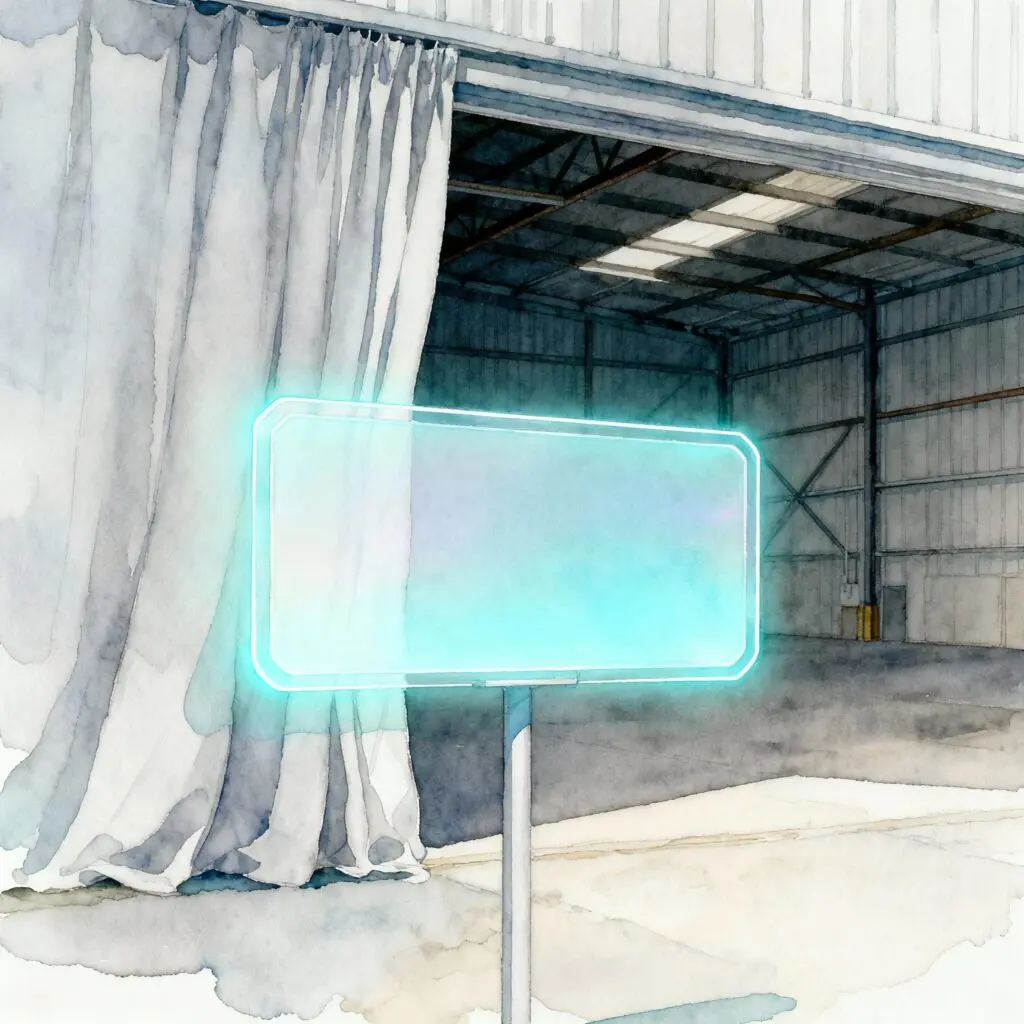
Remember the “Willy’s Chocolate Experience” debacle of 2024 in Glasgow? AI-generated promo and images promised a whimsical candy wonderland. Families arrived to find… a cold warehouse and a few sad props. Refunds and ridicule followed.
💀 The Real Issue: AI can be a powerful visualization tool, but it can’t create tangible things.
The Takeaway: Don’t let AI oversell. Glossy renderings and overhyped claims might grab attention, but if reality can’t deliver, backlash will be brutal.
Hidden Hero: FitCore Studio, a small fitness brand, used AI tools not to create fantasy, but to fix real marketing gaps. They automated ad reporting, optimized SEO, and built simple chatbot FAQs. Within 90 days, ROI grew 300%.
💡 Why it works: Realistic goals, human oversight, and clear purpose.

4. The Labor Graveyard (AI Mistake: Ignoring Ethics & Culture)
Some of the loudest pushback around AI hasn’t come from customers; it’s come from creators. In 2025, Vogue and Guess faced backlash after featuring an AI-generated model in a print ad. What was meant to feel innovative instead struck a nerve, and critics accused the brand of replacing real talent and devaluing human artistry.
💀 The real issue? The campaign crossed a cultural fault line about authenticity and creative livelihoods.
The Takeaway: Use AI to empower, not erase. When brands imply that humans are optional, trust and loyalty vanish fast. Respecting creative labor isn’t just ethical, it’s good business.
Hidden Hero(es): Nike, L’Oréal, and Starbucks have all integrated AI for personalization and loyalty programs, without losing human touch. Their secret? Strong brand guardrails and human review.
💡 Why it works: They use AI to scale connection, not replace it.
Four Spells to Break the Curse of Bad AI Marketing
Avoid joining the crypt of cautionary tales by keeping these principles close:
- Keep a Human in the Loop: AI drafts; humans approve.
- Authenticity First: If it feels fake or hollow, it’s poison.
- Match Promise to Reality: Don’t cast illusions you can’t deliver.
- Respect Labor & Culture: Use AI to empower, not erase.
Final Word
AI doesn’t have to be the monster lurking in your campaign closet. Treated wisely, it can be your most powerful ally. But when brands forget authenticity, empathy, and human oversight, they risk becoming their own Halloween horror story.
So this season, don’t fear the future, just remember who’s holding the flashlight. 🔦