
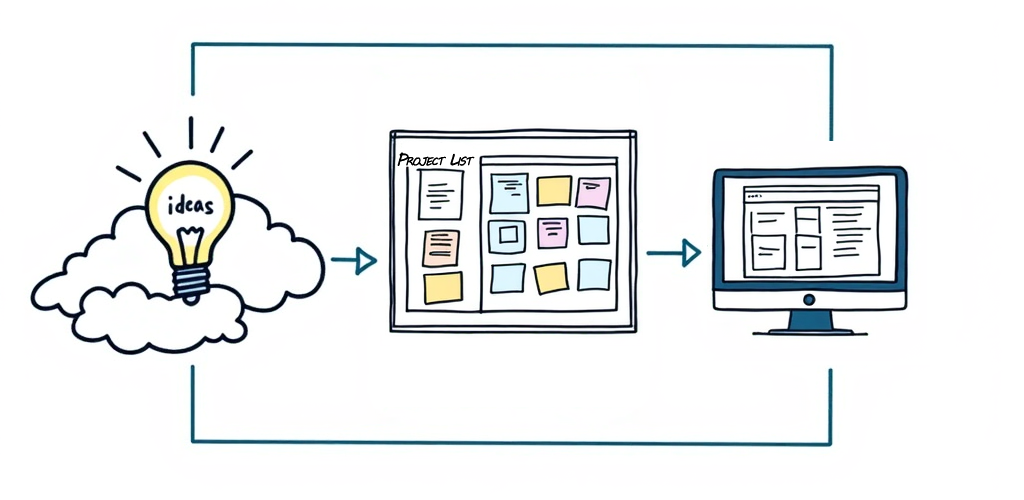
Every company has a list.
Sometimes it lives in a project management tool. Sometimes it lives in a planning document.
More often, it lives in conversations or, for me, the notes app on my computer.
“We should really automate that.”
“We should fix that process.”
“That would make such a difference for our clients.”
“That could be a product someday.”
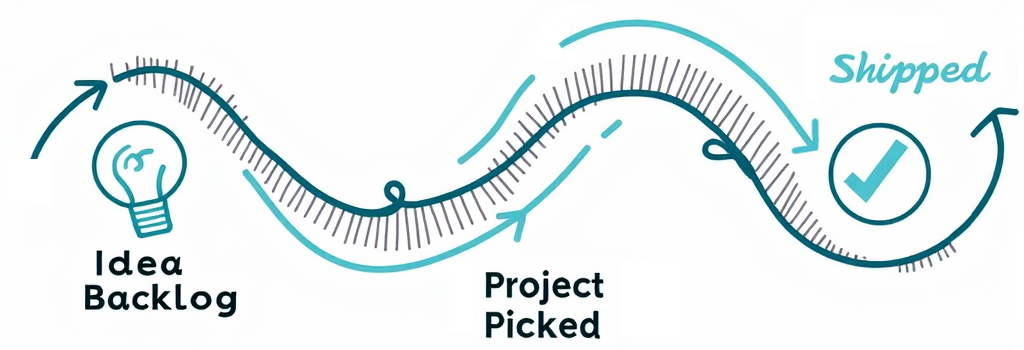
Everyone agrees the ideas are good. Everyone agrees they’d make the company better. And somehow, they sit there for months.
Not because people don’t care. Because the day-to-day reality of running a business naturally prioritizes what’s urgent: the client deadline, the production issue, the meeting on the calendar, the thing that needs an answer today.
Those things matter. They keep a business running.
But they rarely create the space to make the business better.
The Myth of “When Things Calm Down”
One of the easiest traps to fall into is believing there will eventually be a slower season.
A magical window where the inbox is quieter, the calendar is lighter, and everyone finally has time to tackle the things they’ve been thinking about.
The reality is that good teams usually don’t run out of things to do. There’s always another client need, another improvement, another deadline, another priority.
If something matters, waiting for extra time usually means waiting forever.
You have to make the time.
What Happened When We Protected Innovation Time
At Culture Foundry, we ran an experiment we called Evolution Week.
For one week, we paused our normal project rhythm, cleared standing meetings, and gave everyone one rule:
Don't just explore an idea. Ship it.
Pick the thing you believe would move the company forward, commit to it in front of the team, and have something real to show by Friday.
Not research.
Not a plan for someday.
Something you could actually use.
Then we got back together to show our work.
One of the biggest surprises came from Alloy, our WordPress publishing system. At the beginning of the year, we had mapped out a major evolution of the system as a deliberate, long-term investment. By the end of Evolution Week, we had a working version of it: a workflow that turns a strategic brief into the foundation of a website, allowing our designers and project managers to spend more time refining and less time starting from a blank page.
The thing we’d expected to build gradually throughout the year was, just five days later, something we could use, test, and improve.
And that momentum showed up everywhere.
The team created a client-health dashboard that pulls information scattered across tools into one clear view. We designed better ways to show clients the work that often goes unseen in hosting, security, and support. We rebuilt our sales pages so prospects can understand what we do and when we’re the right partner. We cleared a content backlog of nearly two dozen posts that had been hanging over us, with nearly everyone finally completing the piece they’d been sitting on.
The most interesting part wasn’t the output. It was realizing how much of that momentum was already there:
- The ideas already existed.
- The ownership already existed.
- The talent already existed.
- The missing ingredient was space.
Innovation Starts by Removing Friction
When companies want to grow, the instinct is to add.
Add people.
Add tools.
Add processes.
Sometimes those are the right answers.
But innovation isn’t always about adding more. Sometimes the bigger opportunity is removing the friction that keeps your current team from doing their best work.
Fewer distractions. Clearer priorities. Permission to focus.
Because the people closest to the problems are often already carrying the solutions around with them. They just need enough room to build them.
What Protected Innovation Time Actually Looks Like
Our experiment happened over the course of a week, but the idea doesn’t require blocking an entire week off your calendar.
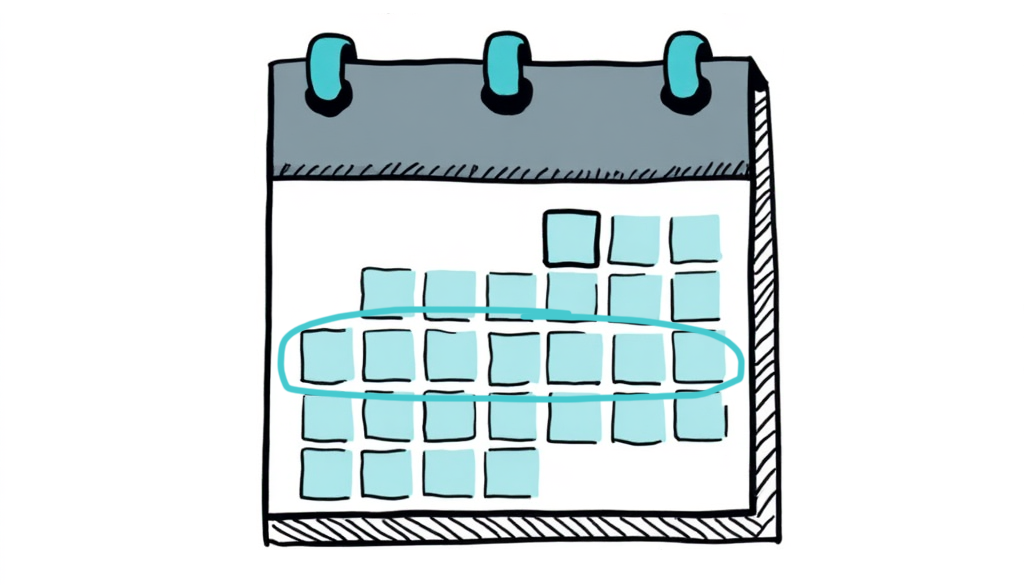
Protected innovation time can be a single afternoon each month, a quarterly innovation day, or any recurring block where your team is intentionally freed from meetings and reactive work to focus on improving the business itself.
The important part isn’t the duration. It’s protecting the time well enough that people can make meaningful progress.
If you want to try something similar, a few simple guardrails made the biggest difference for us:
- Pause non-essential meetings.
- Ask each person to commit to one concrete outcome.
- Focus on shipping something usable rather than researching possibilities.
- End by sharing what everyone built and discussing what happens next.
The goal isn’t perfection.
The goal is momentum.
Protect the Work That Moves You Forward
Evolution Week wasn’t perfect. Experiments rarely are, and there are things we’ll adjust next time.
But it reinforced something we won’t forget:
If the important work only happens after everything urgent is finished, it may never happen at all.
Making progress isn’t always about moving faster.
Sometimes it starts by making room.
Key Takeaways
- Most teams already have good ideas; they need protected time to build them.
- Urgent work keeps the business running, but protected time helps the business improve.
- Innovation works best when teams are asked to ship something real, not just explore possibilities.
- Removing distractions, meetings, and unclear priorities can unlock momentum that already exists.
- Protected innovation time needs clear guardrails so it does not become another brainstorming exercise.
Frequently Asked Questions about Protected Innovation Time
What is protected innovation time?
Protected innovation time is dedicated time when employees step away from their normal responsibilities to build something that improves the business, whether that’s a workflow, prototype, process improvement, internal tool, or piece of content.
Does it have to be an entire week?
No. A week worked well for us because it allowed people to build meaningful momentum, but even a recurring afternoon or monthly innovation day can have a significant impact if the time is genuinely protected.
Why do good ideas get stuck?
Most organizations don’t lack ideas. They lack uninterrupted time. Urgent work naturally crowds out important work unless leaders intentionally create space for both.
What’s the biggest lesson we learned?
The biggest surprise wasn’t how many ideas people had. It was realizing those ideas, and the people capable of executing them, were already there. Creating space unlocked momentum that had been waiting all along.