
When a website project is moving fast, the tempting decisions are the ones that feel cheapest, quickest, or easiest in the moment. Sometimes that’s fine. More often, the practical-looking choice at kickoff resurfaces months later as a website planning mistake: a performance problem, an SEO setback, an editing headache, or a rebuild nobody budgeted for.
Here are the five website decisions most likely to create long-term problems for marketing teams and digital leaders:
- Choosing the cheapest option instead of the right long-term foundation
- Leaning on plugins and third-party tools to patch every gap
- Building pages instead of building a system
- Ignoring content structure and the editor experience your team lives in
- Treating SEO, accessibility, analytics, and performance as end-of-project cleanup
A good website doesn’t just get you to launch. It supports growth, improves conversions, reduces internal friction, and stays manageable long after the launch-day celebration. Here’s where website planning mistakes quietly turn expensive.
1. Choosing the Cheapest Option Instead of a Scalable Foundation
A low upfront price is easy to defend to stakeholders, which is exactly why it wins so often. But cheap-to-build and cheap-to-own are two very different numbers, and you only see the second one after you’ve signed off on the first. The savings rarely survive contact with real use.
A lower-cost build on a fragile foundation might look great at launch. Then the first campaign arrives: a landing page that should take an afternoon requires a developer, a content update breaks a layout, and a simple change turns into hours of investigation because nobody knows how the pieces fit together. Over time, the hours spent working around the platform erase the savings that made the cheaper option attractive in the first place.
A foundation should carry more than launch day. It should absorb new campaigns, new content types, new conversion paths, and the internal team responsible for all of it without forcing a redesign every time the business matures. The best systems make future change easier instead of making every new idea feel like starting over.
2. Leaning on Plugins to Patch Every Gap
Plugins are not neutral. Every one you add is code you didn’t write, on an update cycle you don’t control, with security and compatibility considerations you now own.
A thoughtful plugin strategy is part of a healthy WordPress ecosystem; the problem starts when plugins become a substitute for architecture. A quick fix here, a new integration there, one more plugin to close a gap, and the site is suddenly running a stack of tools that were never designed to work together.
The result is predictable:
- slower page loads
- update conflicts
- inconsistent experiences across pages
- unclear ownership when something breaks
- more maintenance landing on your internal team
The point isn’t that plugins are bad. Plenty are well built and worth using. The trouble starts when every new need becomes another add-on instead of a conversation about whether the underlying system is supporting the team at all.
3. Building Pages Instead of Building a System
A website built entirely around today’s pages becomes tomorrow’s bottleneck.
It’s natural to plan around the pages, goals, and stakeholder requests that exist right now, since those are the needs directly in front of you. But businesses move. Content grows, campaigns evolve, new audiences appear, and teams start asking for things nobody planned for during the original build: a new resource center, a different conversion path, a campaign template, a new product story, better reporting. When the website is just a collection of pages, every new request becomes a custom solution.
Planning for growth doesn’t mean building every hypothetical feature on day one. It means creating a system that can evolve: reusable components, flexible content structures, and patterns your team can build from without starting over. A site built that way isn’t just easier to maintain; it’s actually usable as a marketing tool instead of something you route around.
4. Ignoring Content Structure and the Editor Experience
If your team can’t easily update the site, the site dies slowly.
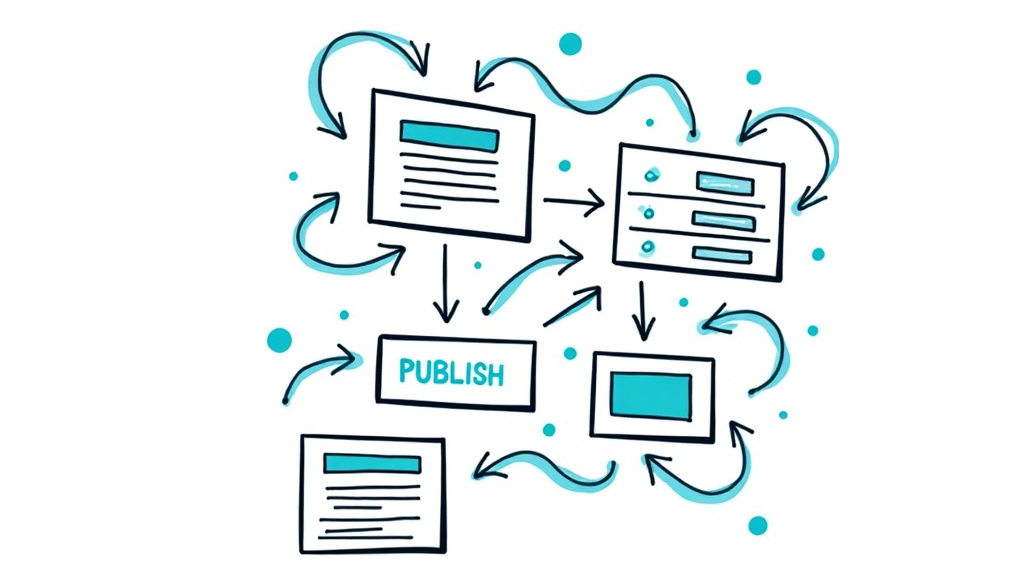
This is where a lot of good-looking websites quietly fail. A site can launch with polished design and still make daily life miserable for the people publishing content, updating pages, and supporting campaigns. When the editing experience is clunky or the content structure is inconsistent, editors start avoiding it: updates pile up, content quality drifts, and developers get pulled into copy changes they should never touch.
For a lean marketing team, that friction compounds fast. The website should let your people move quickly and confidently on their own, and a well-structured editor experience, where components are predictable and hard to break, is the difference between a site that’s a source of leverage and one that’s a source of tickets.
5. Treating SEO, Accessibility, Analytics, and Performance as Cleanup
These work best when they’re designed in from the start. Bolt them on at the end and you inherit the harder, more expensive version of every problem, because the site is already built: accessibility improvements may mean redesigning components, performance fixes may mean undoing technical choices, and analytics conversations may reveal that nobody ever defined what success actually looks like.
SEO, accessibility, analytics, and performance are not finishing touches. They determine whether the site can be found, used, navigated, and measured, and a site that’s invisible to search, slow to load, difficult to use, or impossible to measure isn’t finished, no matter how good it looks at launch.
What “Easy Now” Actually Costs
None of these decisions looks reckless when it’s made. They look practical, efficient, budget-conscious, and reasonable, which is precisely why they’re so common. The problem is that websites have a long life after launch, and small decisions compound.
| Short-Term Decision | Long-Term Consequence |
|---|---|
| Choosing the cheapest platform | Paying more in maintenance down the road |
| Stacking on plugins | Slowing down your site and creating code conflicts |
| Building pages one-off | Struggling to scale as your site grows |
| Skipping the editor experience | Slowing down your content team |
| Bolting on SEO later | Losing rankings and paying for costly fixes |
We see this pattern often. Organizations rarely come to us because their website suddenly broke; they come because years of small decisions have accumulated: a plugin added here, a workaround created there, a template stretched beyond what it was designed to do. Eventually the system that was supposed to help the team move faster becomes the thing slowing them down.
The goal isn’t a perfect website on day one. It’s a set of decisions that give your team a site that performs, grows, and stays manageable long after launch.
If you’re planning a rebuild and trying to make the right decisions early, we’d love to talk through the tradeoffs with you. The best time to prevent these problems is before they become expensive ones.